

 Posted 02/15/2026 10:07 am


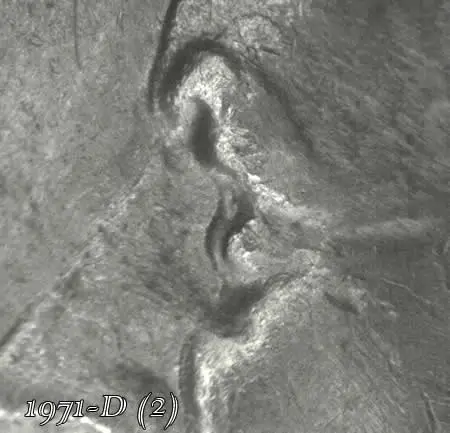
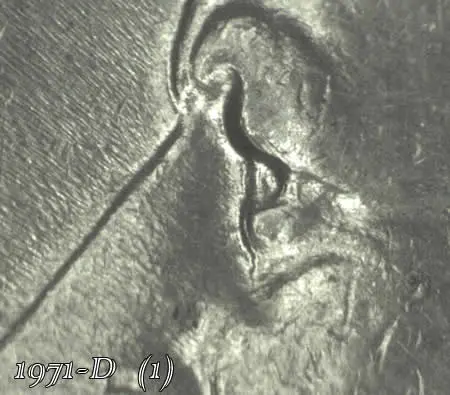
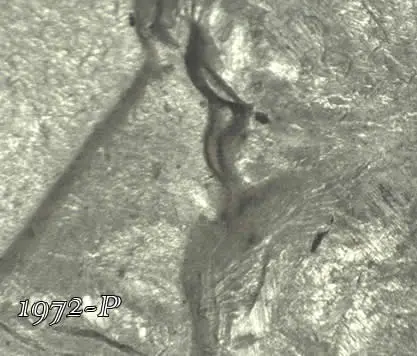
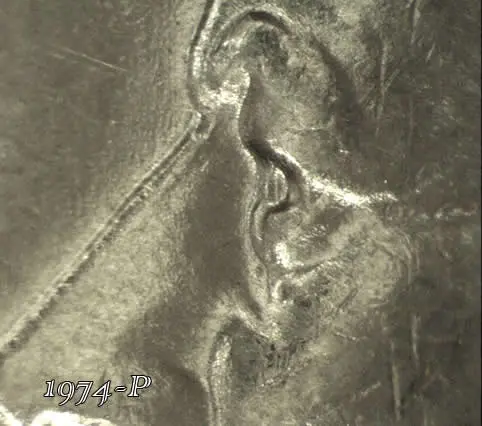
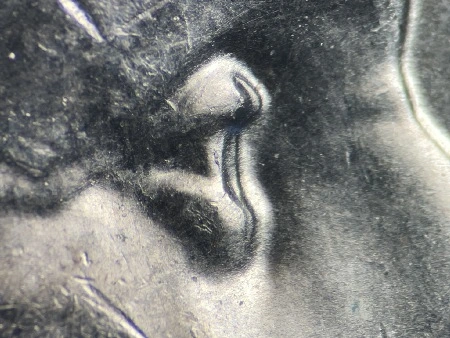
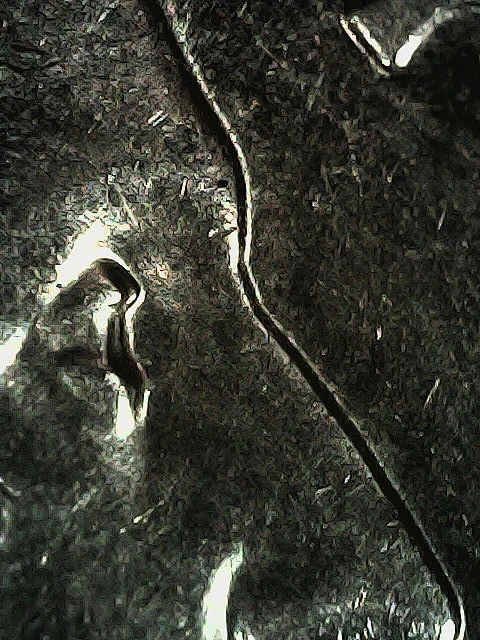
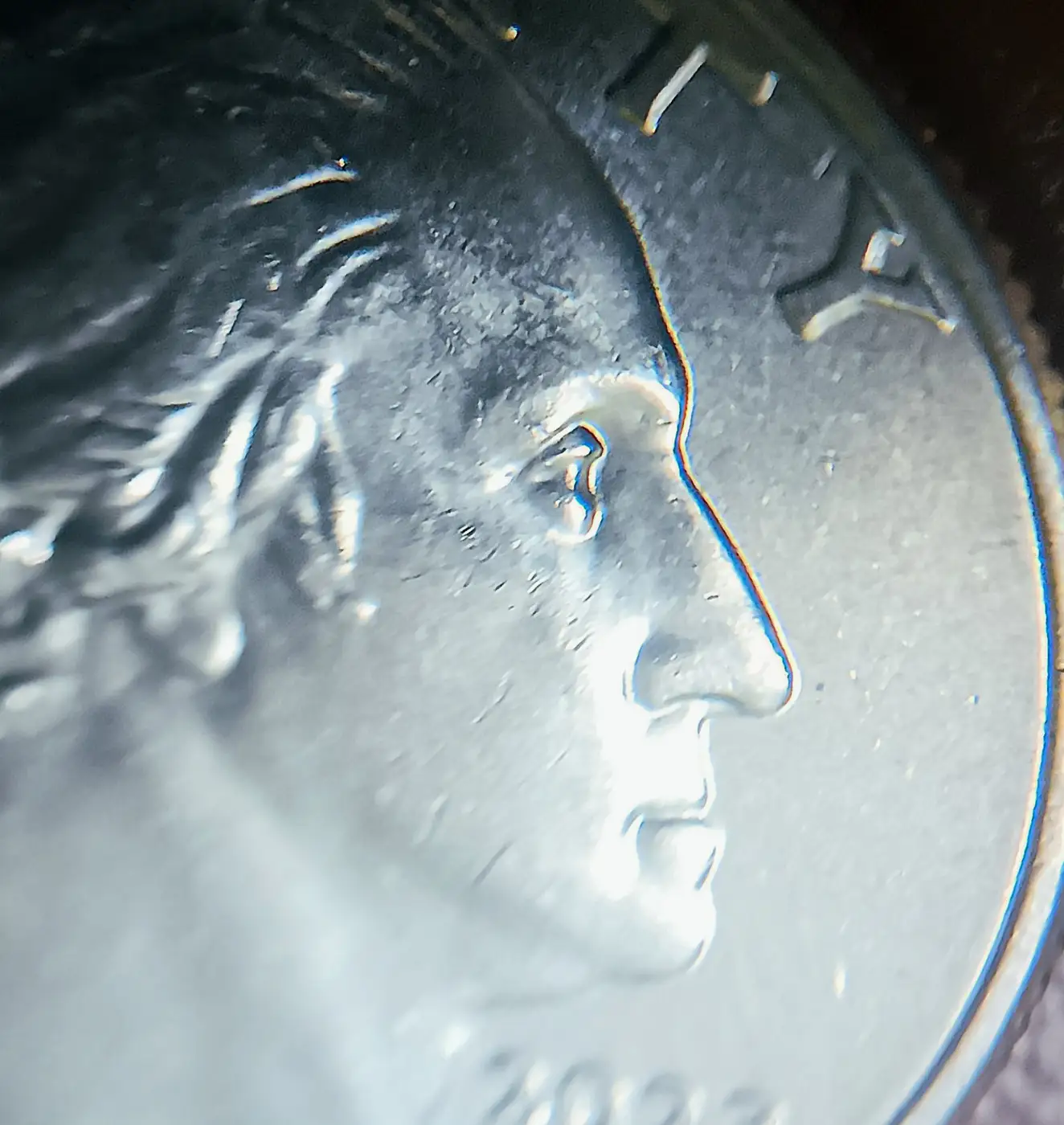
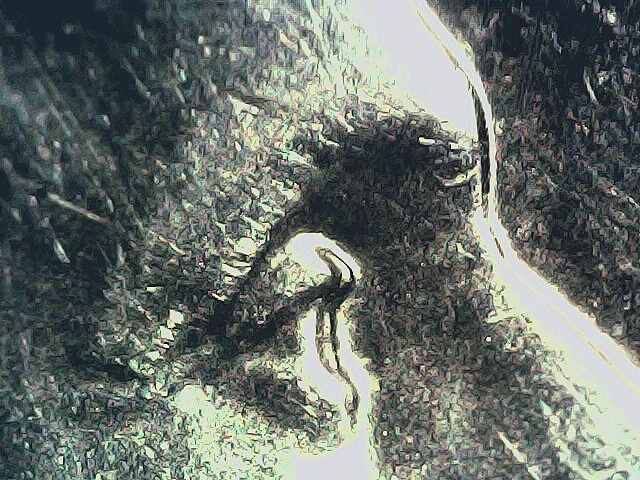
This in my opinion is nothing more than a Machine Doubling.
Machine/Strike Doubling (Worthless): Occurs during the strike, when the machine vibrates or the die shifts, causing a flat, shelf-like, "mushy" appearance. ( which is exactly what we have on this quarter)
Doubled Working Hub/Die (Valuable): Occurs before striking, when the die is created. It results in a raised, rounded, and clear doubled image.
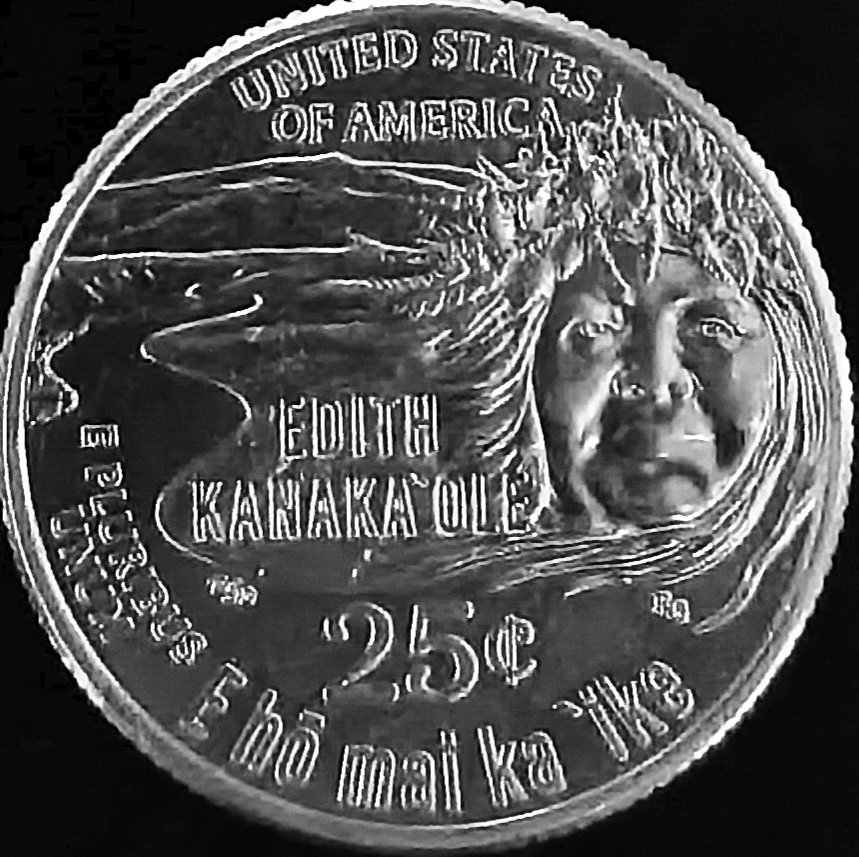
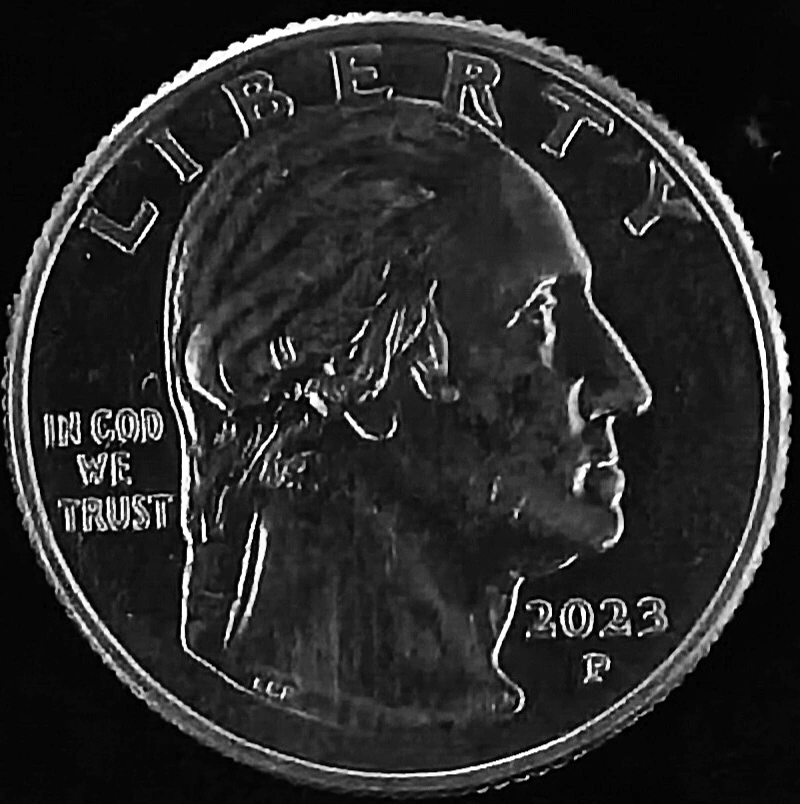
Now I don't know of Edith Kanaka'ole and not sure how he has arrived with this diagnostics on 2023-p quarter doubling on Wexler's site !
But Wexler's own analysys of doubling is defined as following:
Folling is Wexler's on doubled working Hubs
https://doubleddie.com/203822.html
Doubled master dies
https://doubleddie.com/203801.html
Machine/Strike Doubling (Worthless): Occurs during the strike, when the machine vibrates or the die shifts, causing a flat, shelf-like, "mushy" appearance. ( which is exactly what we have on this quarter)
Doubled Working Hub/Die (Valuable): Occurs before striking, when the die is created. It results in a raised, rounded, and clear doubled image.
Now I don't know of Edith Kanaka'ole and not sure how he has arrived with this diagnostics on 2023-p quarter doubling on Wexler's site !
But Wexler's own analysys of doubling is defined as following:
Quote:
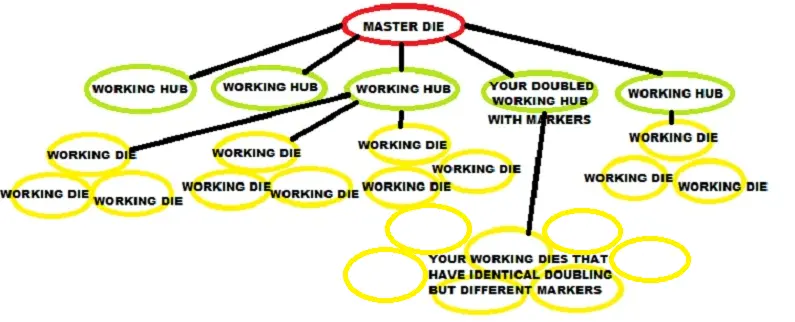
On the "How Dies Are Made" page of this website we saw that for most of the Mint's die making history the master design for a coin was transferred to a Master Hub in a reduction lathe. These have recently been replaced by CNC (computer numerical control) milling machines, but the principal is still the same. The master hub is then used in a hubbing press to create Master Dies. The master dies are used in a hubbing press to create Working Hubs, and the working hubs are then used in a hubbing press to create Working Dies. It is the working dies that are then used to strike the coins in the coining presses.
In the Wexler Die Variety Files we define "doubled die" doubling as doubling produced on hubs or dies as a result of a misalignment of the images on the hub and die at some point during the hubbing process. A more accurate term would be "hubbing doubling," but the term "doubled die" is clearly fixed in our culture and here to stay. The misalignment of the design images may have been when the master hub was squeezing an image onto a master die, when a master die was squeezing an image onto a working hub, or when a working hub was squeezing an image onto a working die. Just where the doubling occurs in this sequence will dictate how common the doubling will be, and that will affect the subsequent values for the doubled coins that are ultimately produced. Doubling can also occur in the process of transferring the design from the galvano to the master hub. Links are provided here to get more details on the doubled master hubs, the doubled master dies, and the doubled working hubs.
On the "How Dies Are Made" page of this website we saw that for most of the Mint's die making history the master design for a coin was transferred to a Master Hub in a reduction lathe. These have recently been replaced by CNC (computer numerical control) milling machines, but the principal is still the same. The master hub is then used in a hubbing press to create Master Dies. The master dies are used in a hubbing press to create Working Hubs, and the working hubs are then used in a hubbing press to create Working Dies. It is the working dies that are then used to strike the coins in the coining presses.
In the Wexler Die Variety Files we define "doubled die" doubling as doubling produced on hubs or dies as a result of a misalignment of the images on the hub and die at some point during the hubbing process. A more accurate term would be "hubbing doubling," but the term "doubled die" is clearly fixed in our culture and here to stay. The misalignment of the design images may have been when the master hub was squeezing an image onto a master die, when a master die was squeezing an image onto a working hub, or when a working hub was squeezing an image onto a working die. Just where the doubling occurs in this sequence will dictate how common the doubling will be, and that will affect the subsequent values for the doubled coins that are ultimately produced. Doubling can also occur in the process of transferring the design from the galvano to the master hub. Links are provided here to get more details on the doubled master hubs, the doubled master dies, and the doubled working hubs.
Folling is Wexler's on doubled working Hubs
https://doubleddie.com/203822.html
Doubled master dies
https://doubleddie.com/203801.html
Edited by Chase007
02/15/2026 10:11 am
02/15/2026 10:11 am