| Author |
 Replies: 12 / Views: 5,051 Replies: 12 / Views: 5,051 |
|
|
Valued Member
United States
273 Posts |
Edited by Siuol
08/17/2009 12:18 am
|
|
|
|
Bedrock of the Community
United States
62064 Posts |
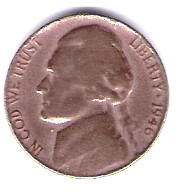
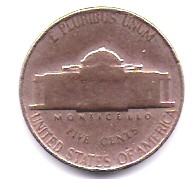
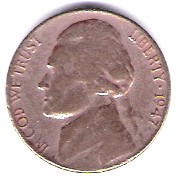
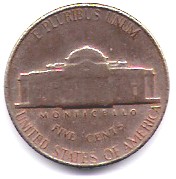
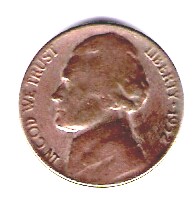
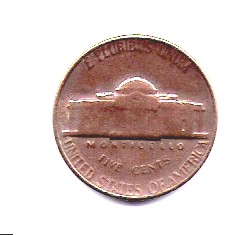
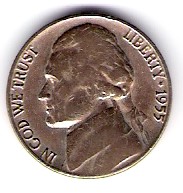
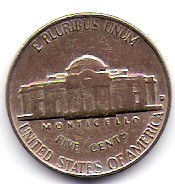
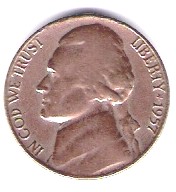
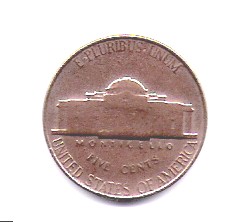
They may be suffering environmental damage or coated with something. Check the thickness of these to a normal nickel? If they are the same thickness they would be tampered with or found outside for sometime. On a real wrong planchet nickel the thickness would be that on a cent and the Cent planchet being smaller, the devices from the nickel die would fall over the edge. 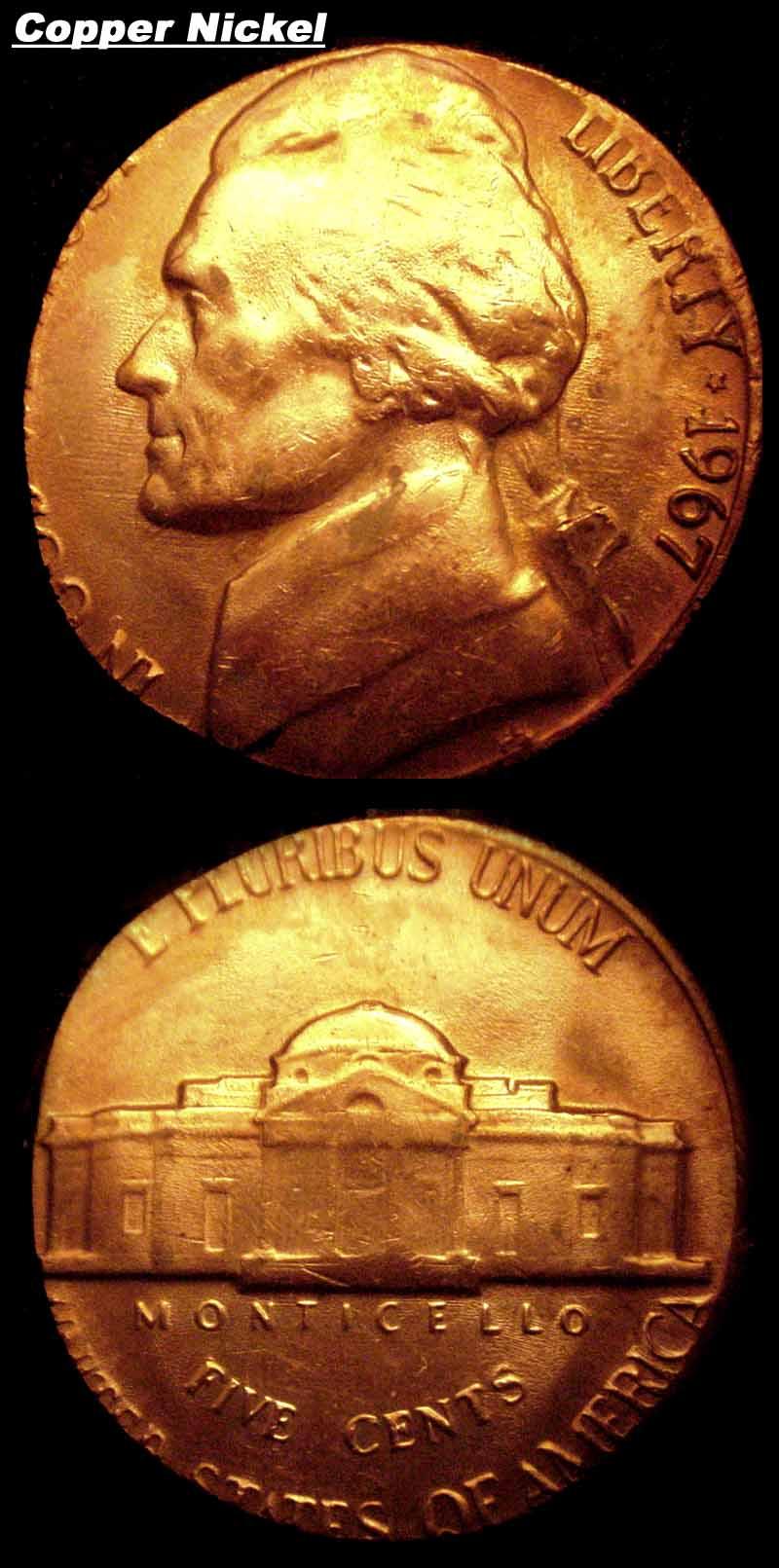 The nickel planchet is 75% Copper and 25% Nickel. So something must have altered the planchet material. Carry one in you pocket for a time and see if the coating wears through. |
|
New Member
Canada
19 Posts |
the 1952 really looks copper, but I agree with Coop, they cannot be copper if they are the correct size.
|
|
Valued Member
 United States
273 Posts |
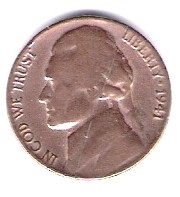
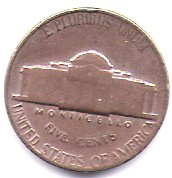
They all appear to be the same size as a normal nickle. I didn't think that they were copper, but I had never seen nickles that color before so I figured it couldn't hurt to ask. I will try carrying one of them around and see if it changes anything. Thanks for the learned opinions  . |
|
Pillar of the Community
United States
2589 Posts |
they can be copper if nickel planchets were made from copper cent stock, however they would be thinner than a normal nickel. I also do not know of any known examples of such an occurance, although there are quarters struck on dime stock and the like. The difference in thickness would be quite visible though.
-XoG
|
|
Bedrock of the Community
United States
62064 Posts |
And the strike would be weaker on them if they were made from Cent stock. 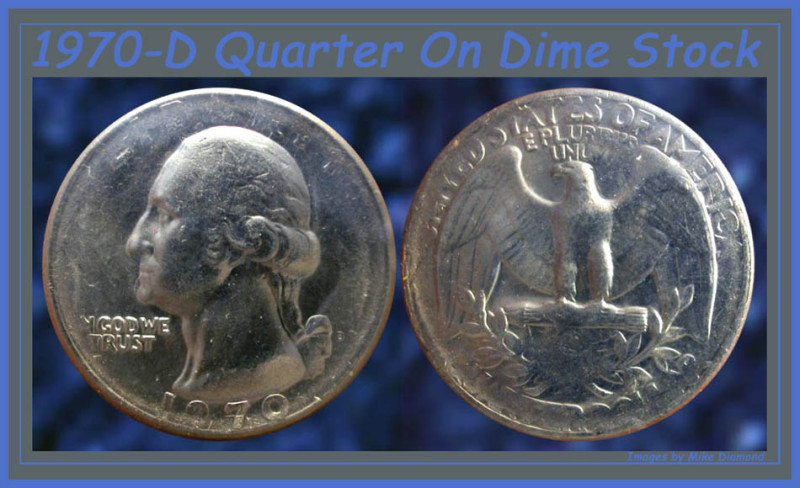 |
|
Bedrock of the Community
United States
10284 Posts |
I cant exactly tell just how copper toned these look from my pc, but I have a sneaky suspicion that they were all rolled up for a very long time ( judging by the dates ) and acquired some sort of reddish tone from the wrapper and environment they were stored in.
|
|
Pillar of the Community
United States
3507 Posts |
I have seen nickels stored for a long time in little brown colored 2X2 envelopes. The content of the paper is heavily acidic or heavy in sulfur.
Ones that have not been in those envelopes for too long, maybe 10 years:-) get hazy. Older circulated coins turn pinkish:-)
I think the thought about poor storage whether in old wrappers or coin envelopes makes the most sense.
Thanks,
Bill
|
|
Pillar of the Community
United States
3507 Posts |
I have seen nickels stored for a long time in little brown colored 2X2 envelopes. The content of the paper is heavily acidic or heavy in sulfur.
Ones that have not been in those envelopes for too long, maybe 10 years:-) get hazy. Older circulated coins turn pinkish:-)
I think the thought about poor storage whether in old wrappers or coin envelopes makes the most sense.
Thanks,
Bill
|
|
Pillar of the Community
United States
2589 Posts |
I think its also possible that manganese from the War Nickels may have somehow gotten on to these tinted nickels, oxidized manganese is pink coloured. -XoG |
|
Pillar of the Community
United States
3098 Posts |
Batteries + CuSO4 + silver coins = endless fun!
If I can find it, I'll post a pic of the nickel I electroplated in 7th grade. I remember it started tarnishing by the end of the year, so I probably spent it.
However for yours, I agree with wheezy that these were just stored for a long time.
|
|
Valued Member
United States
273 Posts |
Thanks to everyone for the info. After what everyone has said I agree that these coins were most likely stored for a long, long time. I'll admit that I got a little excited when I first saw these cause of the color, but I didn't want to get my hopes up too high. I'm going to hang onto them though cause I still think they look cool  . WD how do you hook the battery to the coin to get the copper sulfate to bond with it? I have a few junk quarters that I'd like to try that with. |
|
Pillar of the Community
United States
3098 Posts |
Do you really have aqueous copper sulfate? That's pretty cool  So, you put a nickle on the (-) side, connected to the battery and a wire and put it in the solution. You can use a paper clip to hold the nickle in place. Then put the other side also in the solution. Turn on the battery and then wait It'll take a while, and it's not going to be shiny like industrial electroplating. Basically you'll just have a rough layer of copper on a nickle. |
| |
Replies: 12 / Views: 5,051 |
|









 Posted 08/17/2009 09:46 am





