| Author |
 Replies: 22 / Views: 5,192 Replies: 22 / Views: 5,192 |
Page 2 of 2
|
|
|
|
Bedrock of the Community
United States
19682 Posts |
Agree with the observations above. I like the set--would pick one up at a show or coin shop if I came across it. Cool.
|
|
Valued Member
 United States
220 Posts |
Almost looks like this petri dish full of bacteria.  |
|
Valued Member
 Japan
294 Posts |
Thanks for the input everyone! I was thinking about cracking it open to examine them more closely but after seeing Blind Squirrel's bacteria picture I think they'll stay where they are :p
|
|
Valued Member
Japan
294 Posts |
On second thought, I think I'll crack 'em eventually anyway... It'll be fun to figure out how this mini laboratory was created. I couldn't find any other coins online that resembled these so it may be useful.
|
|
Pillar of the Community
5464 Posts |
 with all the above comments. I would just leave it the way it is. I like the look!  ! |
|
Pillar of the Community
United States
3520 Posts |
That was a nice type II (clear S) proof set at one time.
|
|
Pillar of the Community
United States
992 Posts |
Yep, not airtight and then environmental damage.
|
|
Valued Member
Japan
294 Posts |
I'm kind of curious about something. I can't shake the feeling that some kind of foreign chemical was to blame for this, as opposed to just heat and water. Of course, I was thinking the same thing but realized the outside plastic and black casing is still jet black with shiny lettering. Outside casings are in great shape. It's only the coins and red plastic that seems disrupted.
Edited by Stephen-P
06/08/2020 07:12 am
|
|
Valued Member
Japan
294 Posts |
And I'm not sure, but the penny esp. really looks like a woodie. Unless that's a big coincidence, I don't think that's the case however. But all of them seem more like some miscalculated effort rather than the effects of only poor storage. 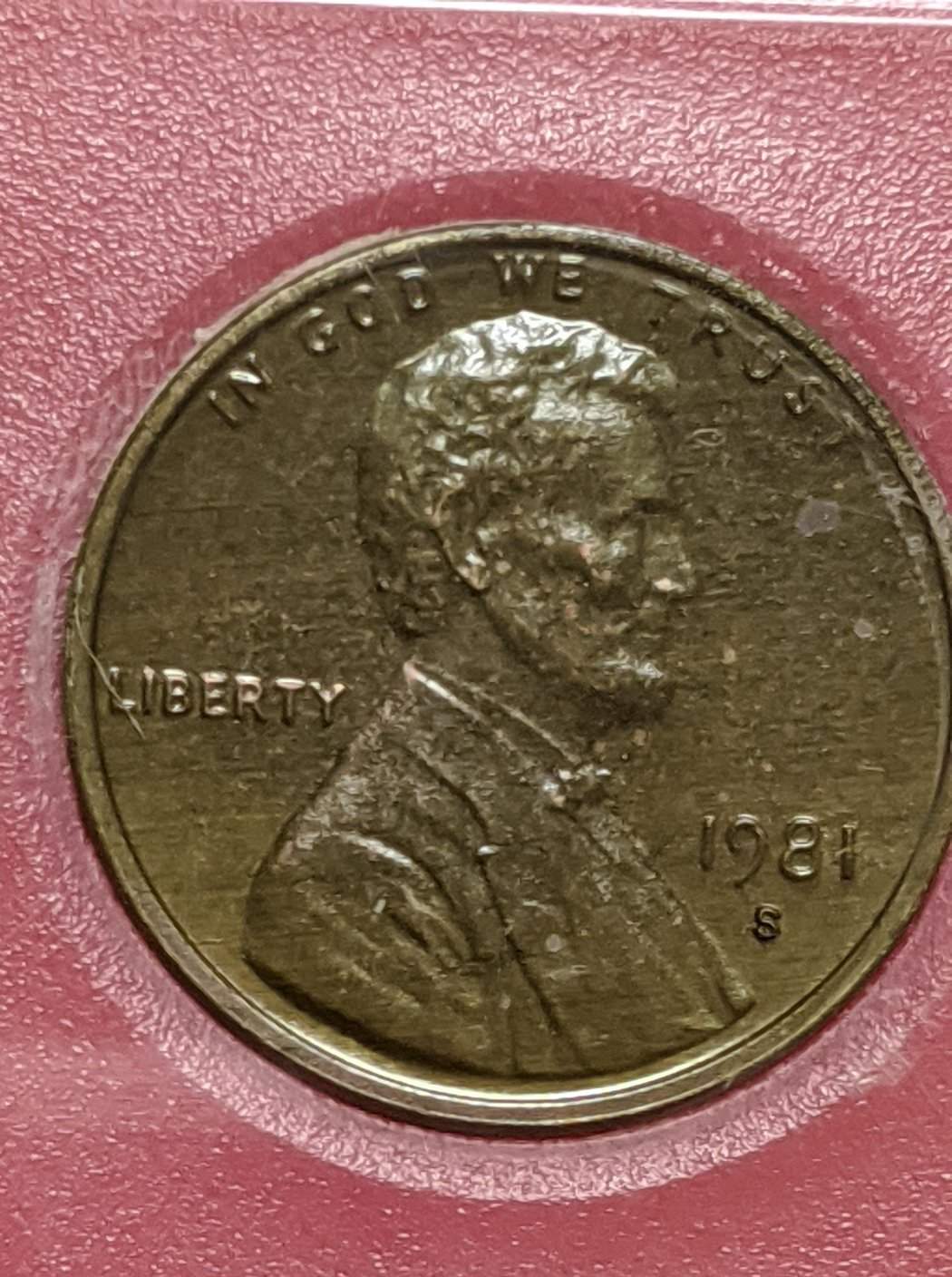 |
|
Valued Member
Japan
294 Posts |
After looking over some hundred + ways a coin could be altered in the minting / packaging process, I've found that the mint has been known to experiment with anti-tarnishing agents to help preserve the coin's luster, many of which had failed.
But it seems that the mint keeps it's methods pretty well hidden from public view, so I guess there's no real way to find out?
If I could just find some coins with similar effects caused by improper storage, I'd be happy. It's kind of my nature to obsess about things until I found out the truth, otherwise.
|
|
Valued Member
United States
220 Posts |
@Stephen-P, here is something to consider. Your avatar shows you are in Japan. If these coins lived their part of their life subject to the Japanese environment, especially the salty air/water, that could explain what you are seeing. A great comparison would be any gold coins stored in the same location. They won't react to salt air and water like the other metals. Just thinking out loud, having spent some time in Japan.
|
|
Pillar of the Community
United States
1841 Posts |
Lots of factors cause toning. Humidity is one factor. Another is what the set was stored in proximity to. Sulfur is a common culprit that causes toning. I remember hearing that some collectors sealed coins in a plastic bag with a book of matches to try to obtain desirable toning. Some people feel that these coins are worth a premium with toning: https://www.ebay.com/i/283791114449...As_zEALw_wcBQuote:
Almost looks like this petri dish full of bacteria. LOL. We'd call that one TNTC where I work. |
|
Bedrock of the Community
United States
17884 Posts |
Quote:
I can't shake the feeling that some kind of foreign chemical was to blame for this, as opposed to just heat and water. Floods are not composed of distilled water. |
|
Pillar of the Community
 United States
5913 Posts |
IMHO, PSD from moisture (and sunlight?) creating an impaired proof set. The bumpy surface definitely looks similar to moisture/humidity damaged coins. Coins pulled out of wet ground conditions will have this bumpy texture. I wouldn't be surprised if it was the effect of extreme temperature changes causing moisture to condensate on the surface of the coins. The fact that all coins seem to be affected seems to rule out an individual process at the mint (Experimental "washes" and such) since each metal composition would be treated differently. The spots on the SBA was probably where the water collected around dust particles. Words of encouragement are one of the major food groups.
We need to consume them regularly to thrive and grow.
Edited by Petespockets55
06/09/2020 08:17 am
|
|
Valued Member
Japan
294 Posts |
That's why I come on here. I appreciate all the knowledge!
|
|
Page 2 of 2
|
Replies: 22 / Views: 5,192 |
Page 2 of 2
|




 First Page


 Posted 06/07/2020 09:29 am





