realeswatcher The manager at
ebay did indicate that normally
ebay has full trust in the TPGs (the big 3) and relies on the "Let the Buyer beware" standard in any issue involving a dispute over a coin in a slab.
Getting this coin terminated took EXTRA work on my part. I made the initial case for removal under FRAUD not COUNTERFEITING regulation.
There was a follow-up poll of the EMRs (like myself) this AM asking for comments on how
ebay should proceed in this specific case. I have not seen the other replies but my position did prevail. So I presume they concur.
The way I expressed it in my answer to the appeal was as follows:
Quote:.....eBay policy regarding "counterfeits" seems even more unfair with this interpretation. Here is what I mean:
If a seller is sharp and knows he has a valuable collectable and LEGAL counterfeit and describes it correctly - His auction will likely be terminated.
If a seller is lazy or uninformed or a fraud and posts an illegal numismatic fraud incorrectly described - His auction MIGHT be terminated if spotted.
If a seller of any type posts a counterfeit or forgery incorrectly described in a
TPG slab - His auction stays even if spotted.
To me that is absolutely wrong. We are rewarding fraud, incompetence and intentional deception while we punish knowledge, honesty and full disclosure.
I am applying this standard only to the legal to own, sell and possess Contemporary Circulating Counterfeits of coins that are not currently monetized. I would also insist that these coins be properly described. I do not believe a counterfeit of a US coin or any current monetized world coin should be allowed even if properly described.
This is the position I am expressing to
ebay - that the policy on Counterfeits needs to be updated to meet the needs of all numismatists. The collectors of Contemporary Circulating Counterfeits like myself are a legitimate sector of the community. We are serious students of Numismatics, History and Science.
What needs to be stopped on
ebay in all of its forms is the wholesale posting of Fraudulently described coins or items.
To do this "the average" collector needs to be educated.
Collector's need to differentiate between the two major types of coins that are NOT GENUINE - Counterfeits and Forgeries. The two types are made for inherently different target audiences (suckers). Counterfeits are meant for circulation. Forgeries are intended to defraud collectors.
The no longer monetized counterfeits are NOT a THREAT to anyone except the poorly informed or lazy. The Forgeries are a threat to the entire business and ALL types of collectors.
Monetary items that are not genuine which are MONETIZED, current and circulating are counterfeits. They are ILLEGAL to even possess in the US right up until the time their nature changes. Once a coin is no longer valid as money it is no longer under counterfeiting laws. The infraction of the law involved in sales of former circulating counterfeits is FRAUD not counterfeiting. Fraud only occurs when deception takes place. The sale of a properly described former Counterfeit is NOT FRAUD.
A 1996 Washington 25 cent coin can be a counterfeit subject to all the laws against counterfeiting. But a Roman denarius made in 1996 can NOT BE A COUNTERFEIT it is a Numismatic Forgery. The crime is fraud if it is sold without disclosure. The HPA only adds an extra layer of protection by requiring COPY to be added to examples made after 1974.
Not making that hard and fast distinction between the two types is LAZY. It is time to stop lumping all sales of Contemporary Counterfeits in with worthless Chinese fakes.
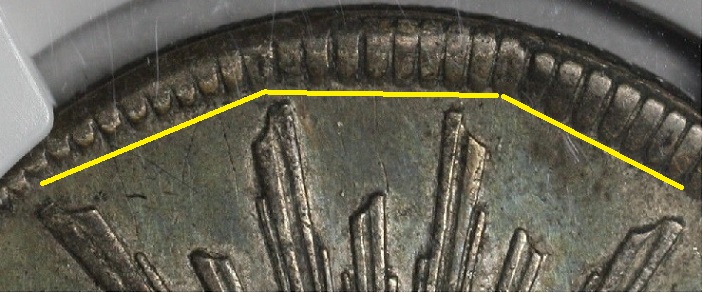
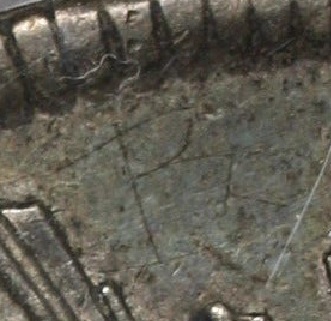
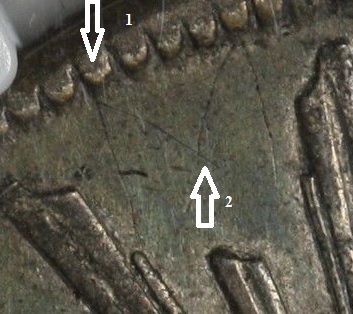
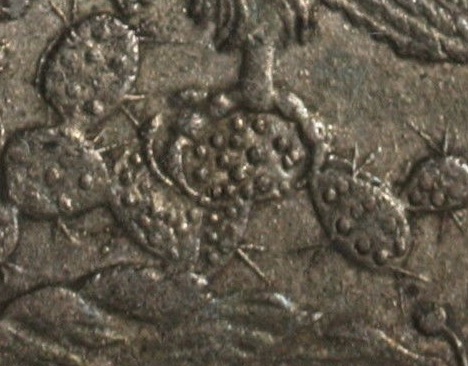
NGC and Ponterio/Stacks have MADE SERIOUS ERRORS in both these cases. The coin in the Stack's auction is also a Riddell # 221. No doubt whatsoever. If anyone thinks the coin is GENUINE - they fail the test and need to go back to school.
I may not have all the letters after my name, I may not be a "qualified expert" in the eyes of some dealers but one thing I do know is how to tell a Counterfeit from a Genuine coin.









 Posted 12/07/2013 11:40 pm