The weakness in LIBERTY is a design defect on 1913-1915 Buffs. LIBERTY was strengthened on the 1916 and later Buffs. Because of the design issue, LIBERTY is disregarded in grading 1913-1915 Buffs.
Your coin has well matched dies, which is scarce in the series, EMDS obverse and reverse.
Your coin has an unusually strong strike for an early San Francisco Buff. Remember, the branch mints only had been striking nickel coinage for one year (1912-S
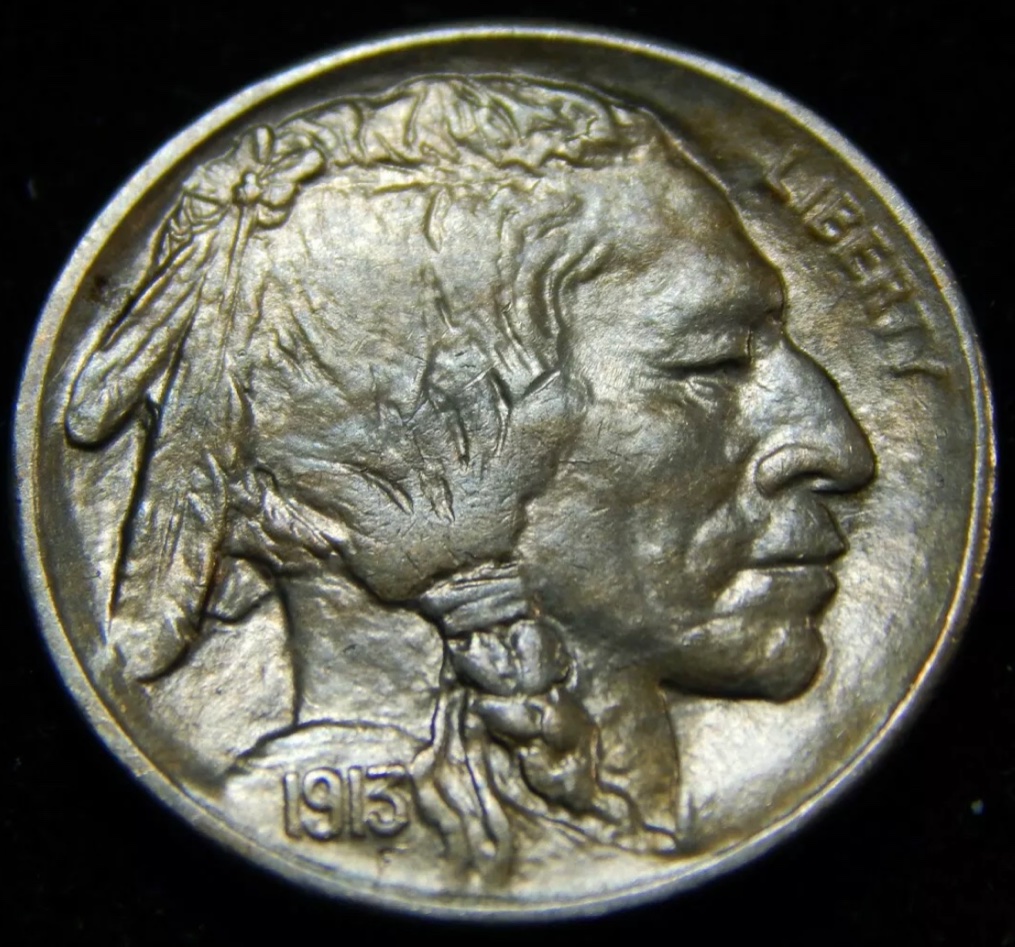
Liberty nickels, a much easier design to strike) when this coin appeared, and the Buffalo design created huge problems for the mints. The cluttered design required significant striking pressure to bring up the details, and the common clash marks necessitated repeated die polishing. Weakly struck branch mint Buffs are the norm. One this sharply struck is an eye-popper. On the obverse, the rachis is complete, though weak, on the second feather. The feather tie is detailed. The eye, nostril, mouth, chin, date, and ribbon are bold. On the reverse, the peripheral lettering is sharp, the horn, eye, hair on the head, beard, and tail are sharp and complete. The hair on the back has been polished lightly, but is otherwise complete. The ground details are crisp. There is substantial detail on the left foreleg and right rear leg, except where the latter has been polished.
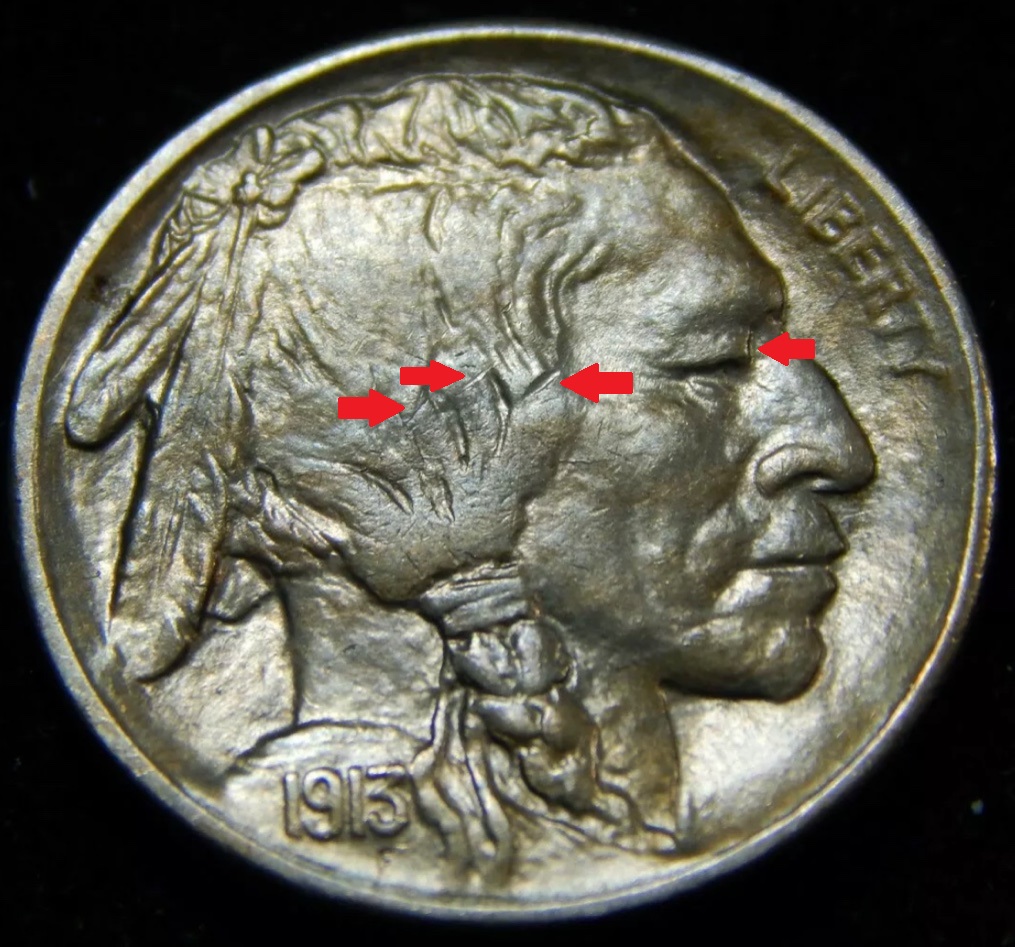
Your coin shows evidence of the common clash marks and some die polishing, though not heavy die polishing. The "LIB" of LIBERTY / right rear leg clash has been polished lightly. The Indian's chin / EPU clash has been polished lightly on the obverse, and shows weakly on the reverse, without polishing. The second feather / buffalo's head and "U" of UNITED clash resulted in polishing the tip of the second feather and shows lightly without polishing on the reverse. The hairline / ground level clash is unpolished. The neck / buffalo's upper back clash was polished on the obverse and reverse, though lightly.
What appears to be an E-W scratch on the Indian's cheek is actually a common hairline die crack from the back of the Indian's nose through the middle of the second feather. Again, the branch mints initially tried to compensate for the hard metal and difficult design by using higher striking pressure, prematurely damaging and wearing out the dies.
Turning to technical grade, the obverse shows two significant bag marks on the hair above the braid and a small contact mark on the date. Disregarding eye appeal adjustments, the obverse would grade at MS-64, though barely, primarily due to the lack of other noticeable contact marks. The reverse is spectacular. A few small NE-SW contact marks on the side and upper shoulder, one small divot above the "I" in FIVE, and two small contact marks on the central side are all I can see. The reverse easily grades MS-65. The net technical grade would be MS-64/MS-64+.
Eye appeal adjustments alter that grade. The exceptional strike, minimal die polishing, and eye-pleasing matching die pairing easily push this up one full step. I see the resulting net grade as MS-65/MS-65+.
This is among the very best 1913-S Type 2 Buffs I have seen in more than 45 years in the business. You hit a walkoff grand slam here. Fantastic coin!







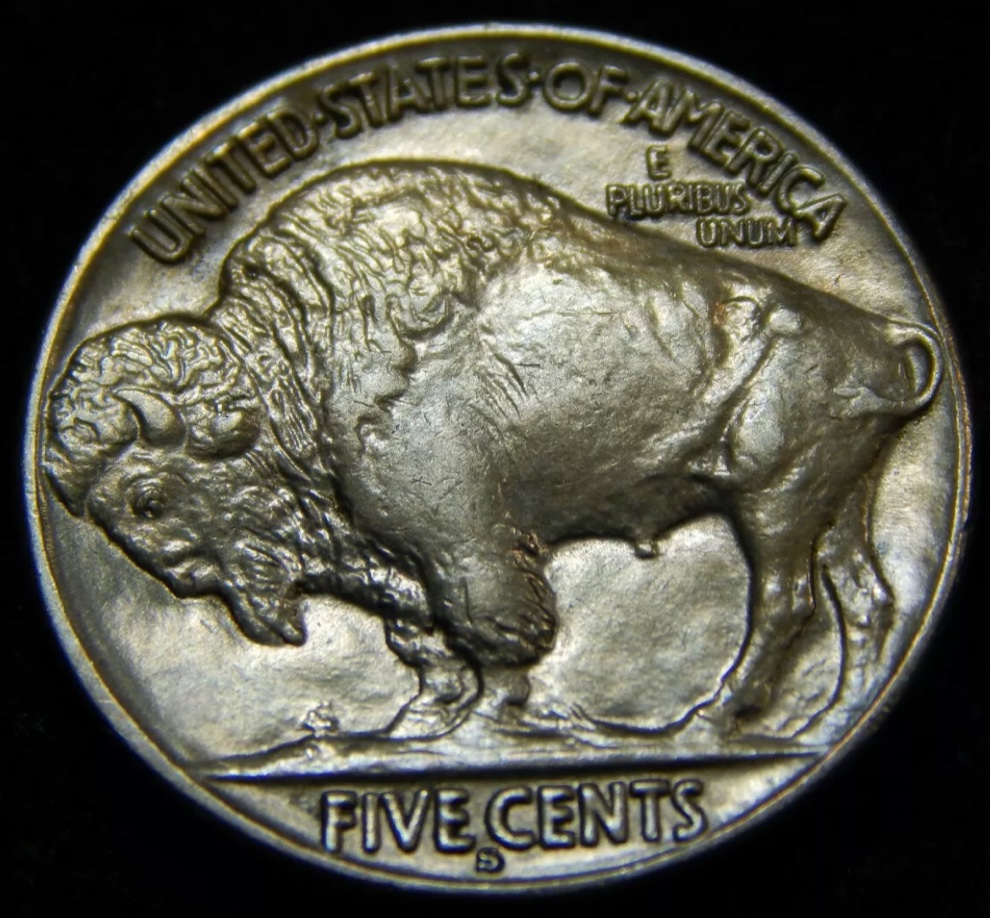

 I don't know where you get MS-62 from . To me it's more of an MS-65+ The split tail knocked my socks off as well as that sharp horn .


 Posted 05/11/2020 8:14 pm





 .
.