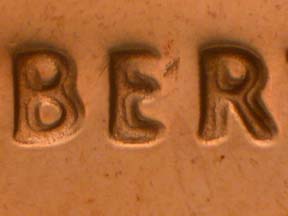
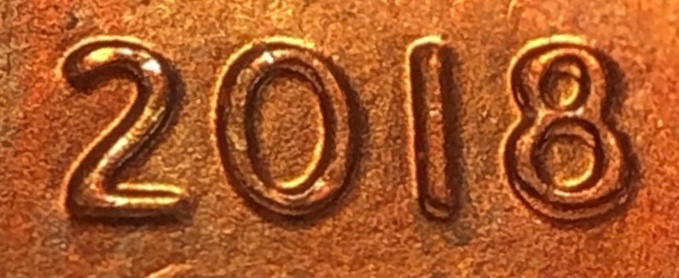
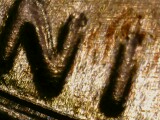
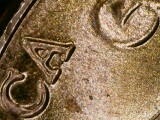
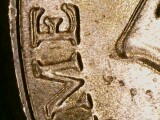
To tell, you need to ask? How are the devices affected? Are they affected on the:
1. Outside/inside edges of the devices? Or are they widened in the centers of the devices.
2. Are the devices the same size as normal devices?
3. On
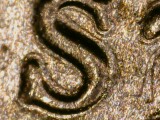
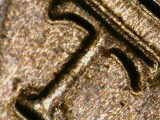
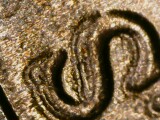
Machine Doubling, those area mentioned on the #1 tells me you are looking at the wrong areas searching for doubled dies. It on the centers of the devices that is where you will see spread. This one is not the classic
Machine Doubling but a higher bounce
Machine Doubling. That is where it helps to see side by sides. Are the devices enlarged? Or normal sized?
Side by sides show you what is normal and what is altered by hub doubling:

Always make your images horizontal to see the differences. Note on the top image and the lower image, it appears the devices are the same size. But on the single squeeze dies, they sometimes distort the devices. So the bottom one at first appears normal. But note the lower part of the 'RTY' devices? Compare them with the normal devices. The is a slight hub distortion on these devices. That is hub doubling. The hub on the single squeeze dies only has one press to make this imprint into the die. Well this one moved on that area, sot it created a doubled die on this areas. The die is showing doubling different than the normal die. So it is a doubled die. Back to the images above? What area is affected? The centers, or the outside edges of the devices? Note these devices are the push
Machine Doubling. The devices are normal size, but distorted by the machine, not by the die. So it is not a doubled die, but an post striking issue.
Machine Doubling. On
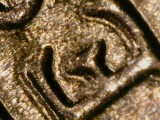
Machine Doubling it can vary from strike to strike depending on the issue of the machine. But a doubled die will look the same strike to strike. The last image if it is a different coin, should be move to a new thread. Always nice to know all details about a coin date/mint and what is appears to be. To me the last image might be a lot more interesting.







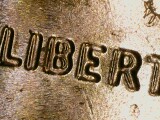
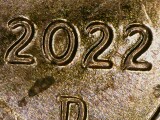


 Posted 02/07/2022 6:16 pm




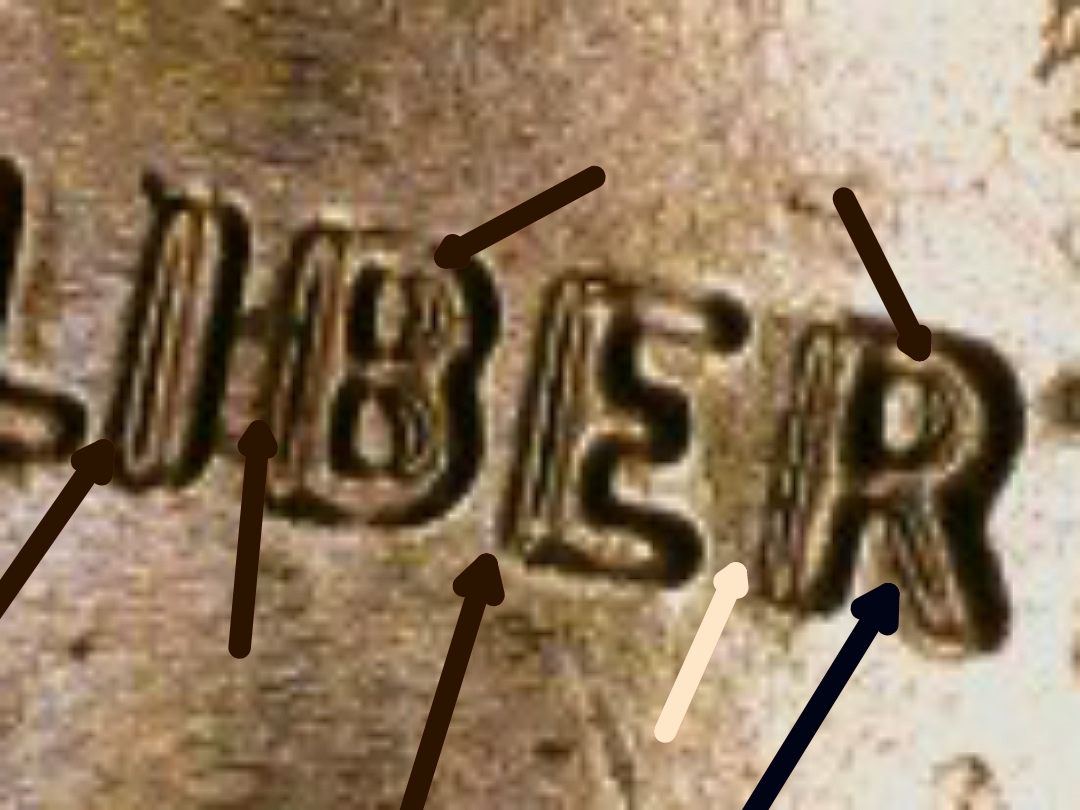


 . SamCoin nailed it.