| Author |
 Replies: 20 / Views: 1,533 Replies: 20 / Views: 1,533 |
|
Valued Member
United States
149 Posts |
Edited by coinhusker26
03/20/2024 11:41 pm
|
|
|
|
New Member
United States
23 Posts |
|
|
Pillar of the Community
 United States
1034 Posts |
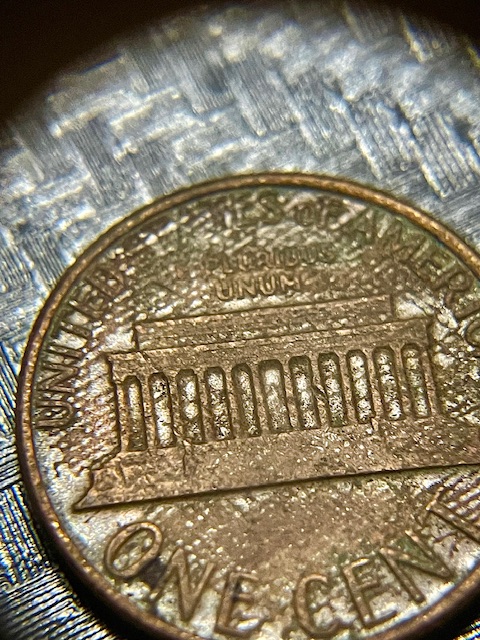
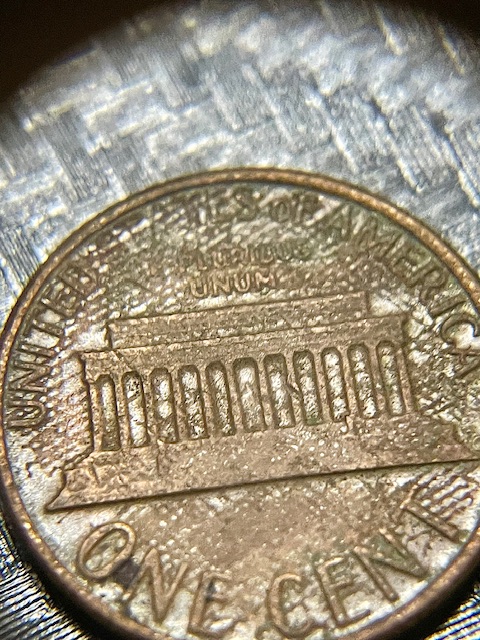
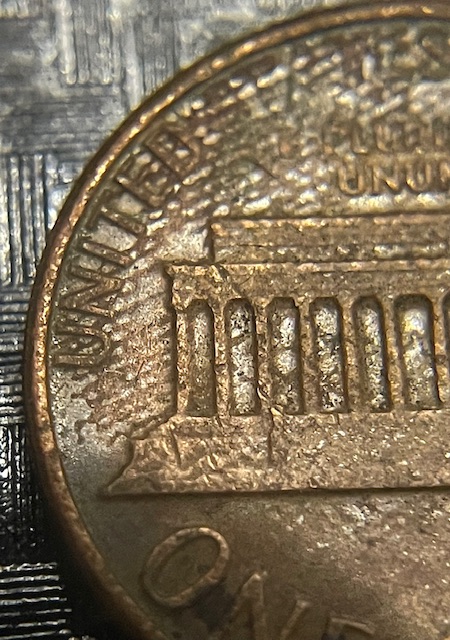
Did you try an acetone dip?
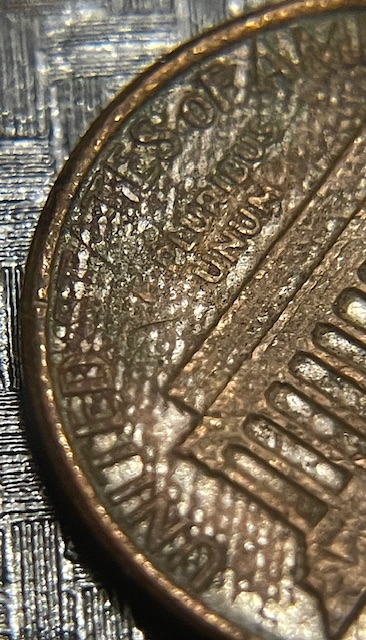
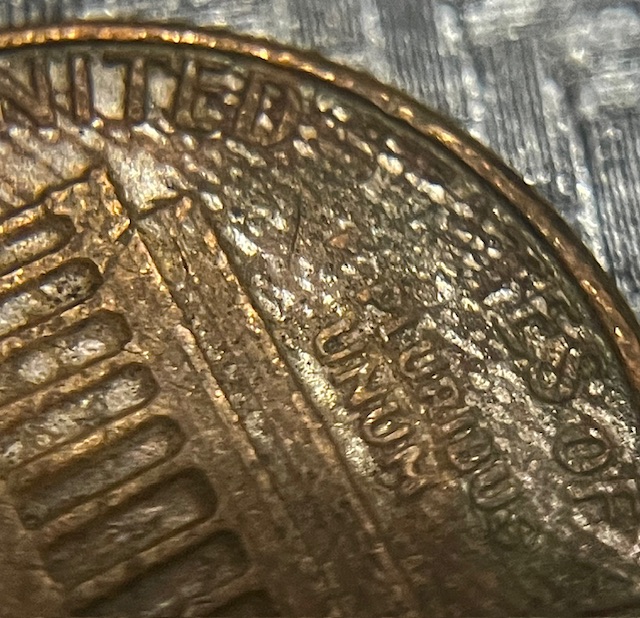
Only reason I ask is the details on the strike look pretty good. I would assume the details would be distorted if struck through cloth. But I could be wrong on this.
|
|
Valued Member
 United States
149 Posts |
Did an acetone dip and did not remove anything. Just made it more visible if anything.
|
|
Moderator
 United States
104958 Posts |
I think this cent was resting on top of a cloth and had a pattern transfer somehow. (glue, was wet, etc..)
Try an acetone soak over night and see if it comes off.
|
|
Valued Member
United States
149 Posts |
It's been soaking but I truly don't think it's anything that's gonna come off. And imo, if its a cloth pattern transfer from water, we would see that get posted all the time all over. And there would also be a lot more evidence of water too
Edited by coinhusker26
03/20/2024 10:49 pm
|
|
Bedrock of the Community
United States
78113 Posts |
I'm thinking that it's some sort of stain.
Errers and Varietys.
|
|
Pillar of the Community
United States
6870 Posts |
Struck through objects really seem to get embedded in the surface. This seems more superficial.
You might be able to replicate this pattern by soaking some burlap in Coke and letting the coin sit on it for a day or two.
|
|
Valued Member
United States
149 Posts |
|
|
Valued Member
United States
149 Posts |
The break in the T doesn't happen from a stain or coke on burlap either. 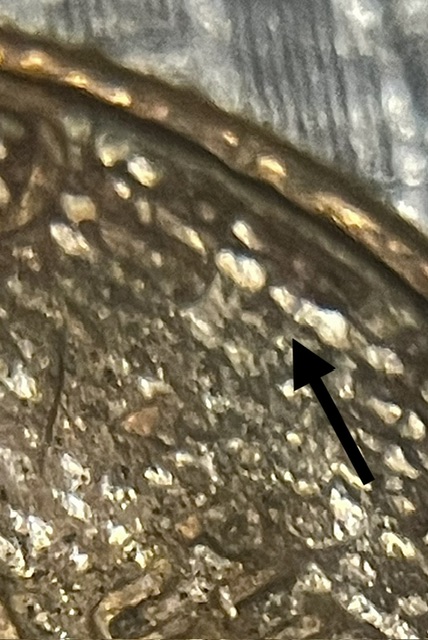 |
|
Moderator
United States
56855 Posts |
Seems like a stain of some kind. John1  |
|
Valued Member
United States
149 Posts |
All night soak and still no change. It is not a stain you can feel the texture of the hatching easily
|
|
Bedrock of the Community
United States
94367 Posts |
Beats me.  |
|
Bedrock of the Community
United States
10065 Posts |
I agree with the above it looks like a stain/chemical change to the actual surface of the coin. Unfortunately pictures are 2D so it's impossible to tell if this is in the surface of the coin.
But the details, all of them, should be fuzzy looking for a true struck through. You would not see any sharp edges. But again, we are just dealing with 2D pictures.
Try xylene. Safe just like acetone but a solvent that can take off what acetone leaves behind.
Edited by Earle42
03/21/2024 09:23 am
|
|
Valued Member
United States
149 Posts |
So @earle42 if that's true then this listing isn't a struck thru cloth by your logic 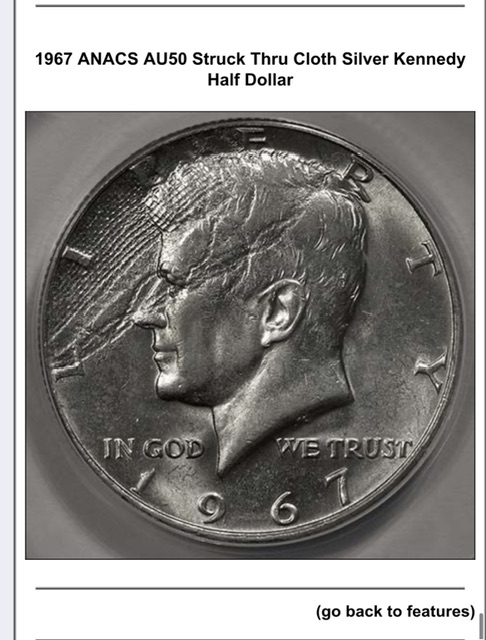 |
|
Moderator
United States
56855 Posts |
coinhusker26, Use the search box upper left of page. I think I even have a find in there. John1 |
| |
Replies: 20 / Views: 1,533 |








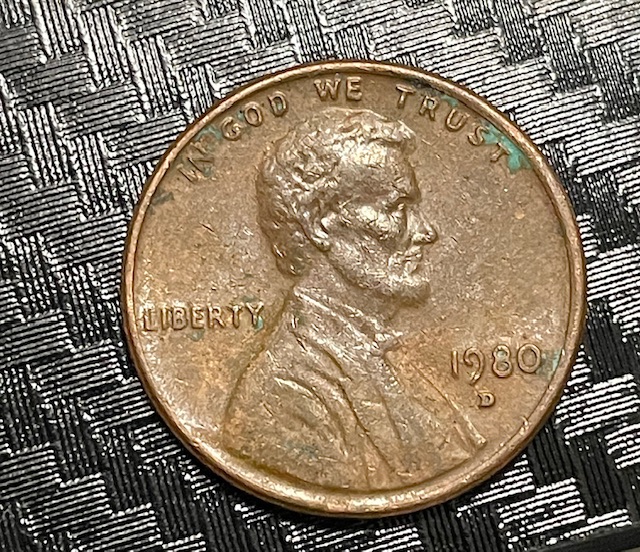
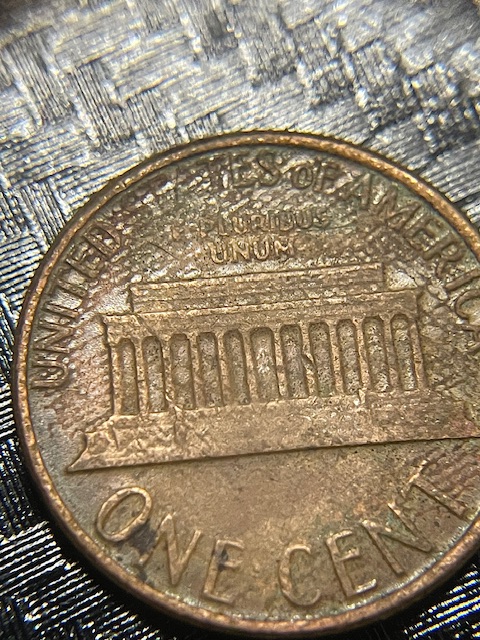


 Posted 03/20/2024 10:10 pm


